I would speak to Kim Jong Un, I would have no problem speaking to him... And I'm telling you, I would get along with him. I would get along with a lot of the world leaders that this country is not getting along with.
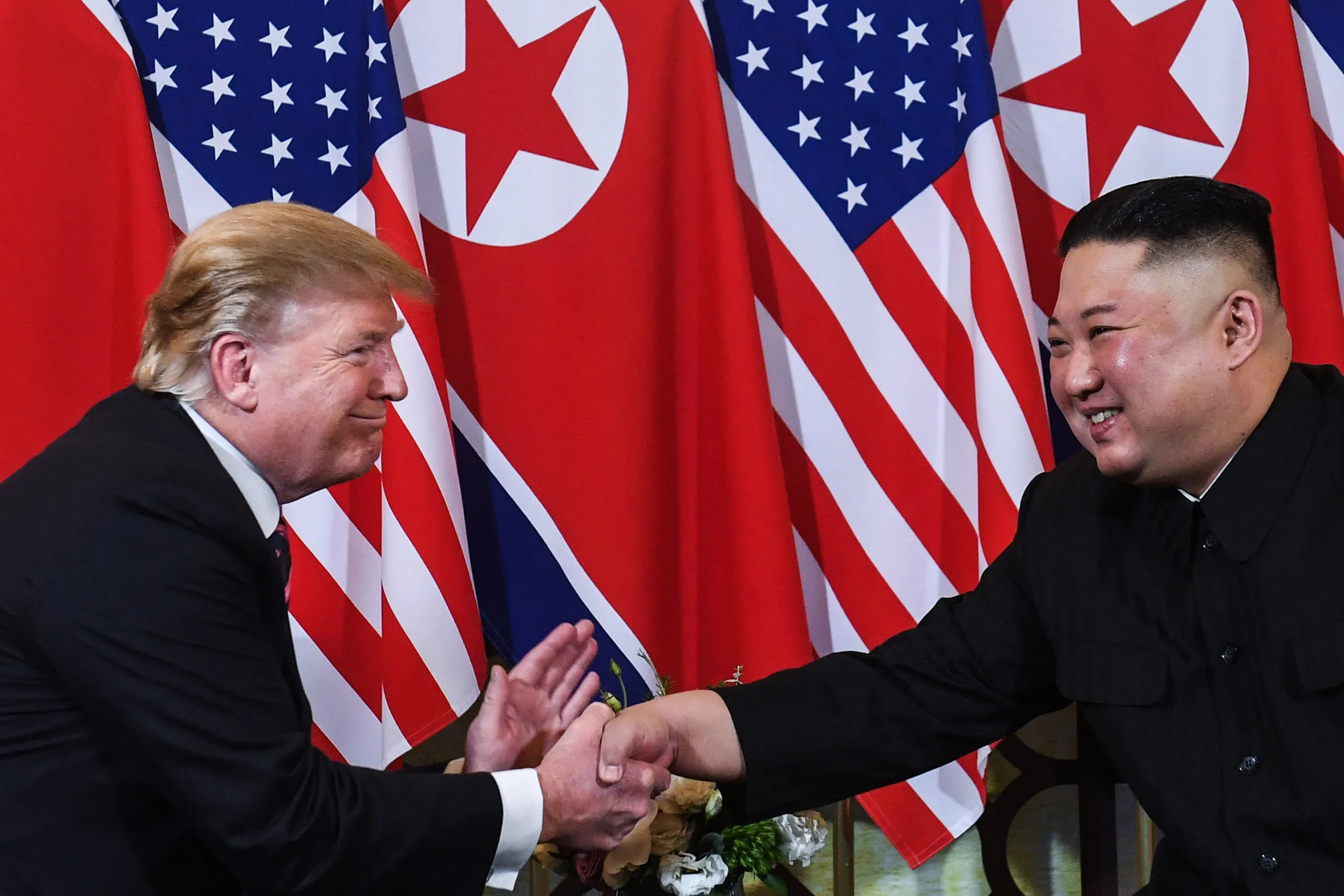
Watch Trump's Historic Meeting
How They Responded: "Trump's Dangerous Diplomacy"
 The New York Times
"The president's belligerent threats against North Korea risk catastrophic miscalculation. No military solution exists that wouldn't risk millions of deaths."
 U.S. Senate
"We could be heading toward World War III with the kind of comments that Trump is making... He concerns me. He would have to concern anyone who cares about our nation."
 Center for American Progress
"President Donald Trump is bucking this international consensus with his reckless and contradictory statements. This dynamic is both dangerous and counterproductive; it increases the risk of miscalculation on the Korean Peninsula and squanders an opportunity to press North Korea back into a diplomatic process."
The Evidence: Trump Was Right
Trump's unconventional approach to North Korea achieved unprecedented diplomatic breakthroughs and a significant reduction in tensions during his presidency.
Key Diplomatic Achievements:
- First-ever meeting between sitting U.S. President and North Korean leader (June 2018) Source: NPR
- North Korea suspended nuclear and long-range missile tests for over two years Source: Journal of Asian Security and International Affairs
- Three face-to-face meetings between Trump and Kim Jong Un Source: Axios
- Return of U.S. hostages and remains of U.S. soldiers from Korean War Source: Reuters
Official Confirmation:
Congressional Research Service (Nonpartisan Primary Source): Congressional Research Service Report 2020
"The Trump administration's combination of pressure and direct engagement led to the first-ever summit meetings between U.S. and North Korean leaders, a significant pause in North Korean nuclear and long-range missile testing, and the establishment of direct communication channels between the leaders."
View Full ReportU.S. Department of State: Trump–Kim Singapore Summit Joint Statement, June 12, 2018
In the first-ever signed U.S.–DPRK leaders' statement, Kim Jong Un "reaffirmed his firm and unwavering commitment to complete denuclearization of the Korean Peninsula." North Korea's last intercontinental ballistic missile test had come on November 28, 2017; the self-imposed testing moratorium that followed Trump's diplomacy then held from early 2018 until 2022, the longest such pause in years.
View Joint StatementWhat Has Surfaced Since Trump Returned
Trump was savaged for meeting Kim Jong Un face to face, told that personal diplomacy with a dictator was reckless, naive, and dangerous. Since his return to office, the verdict has flipped entirely: Kim himself has publicly asked to revive the relationship Trump built, the foreign-policy establishment has quietly adopted the very engagement approach it once mocked, and the man critics called too dangerous to talk to is the one leader Pyongyang says it still wants to talk with.
Kim Jong Un Publicly Asks to Reopen the Door, by Name
In September 2025, addressing North Korea's Supreme People's Assembly, Kim Jong Un went out of his way to single out the American he wanted back at the table. He told his own legislature, "Personally, I still have good memories of U.S. President Trump," and said that if Washington dropped its rigid posture and pursued peaceful coexistence, "there is no reason for us not to sit down with the U.S." It was the clearest signal in years that the only diplomatic channel North Korea values is the one Trump personally opened, proving that the relationship critics called a dangerous vanity project was in fact the single most durable line of communication with Pyongyang.
NPR, North Korea's Kim Jong Un ready to talk if U.S. drops denuclearization demand, September 22, 2025Washington Quietly Returns to Trump's Playbook
The same establishment that branded Trump's summitry "dangerous diplomacy" spent his second term scrambling to restart it. By October 2025, Trump administration officials were openly discussing arranging another Kim meeting around his Asia trip, with Trump declaring, "If he'd like to meet, I'm around." The approach once ridiculed as a photo-op for a tyrant had become the accepted baseline for managing the North Korea problem, an open admission that direct, leader-to-leader engagement, the strategy Trump pioneered alone, was the right one all along.
CNN, Trump officials quietly discussing Kim Jong Un meeting during upcoming Asia trip, October 18, 2025The Vindication: Historic Breakthrough Acknowledged
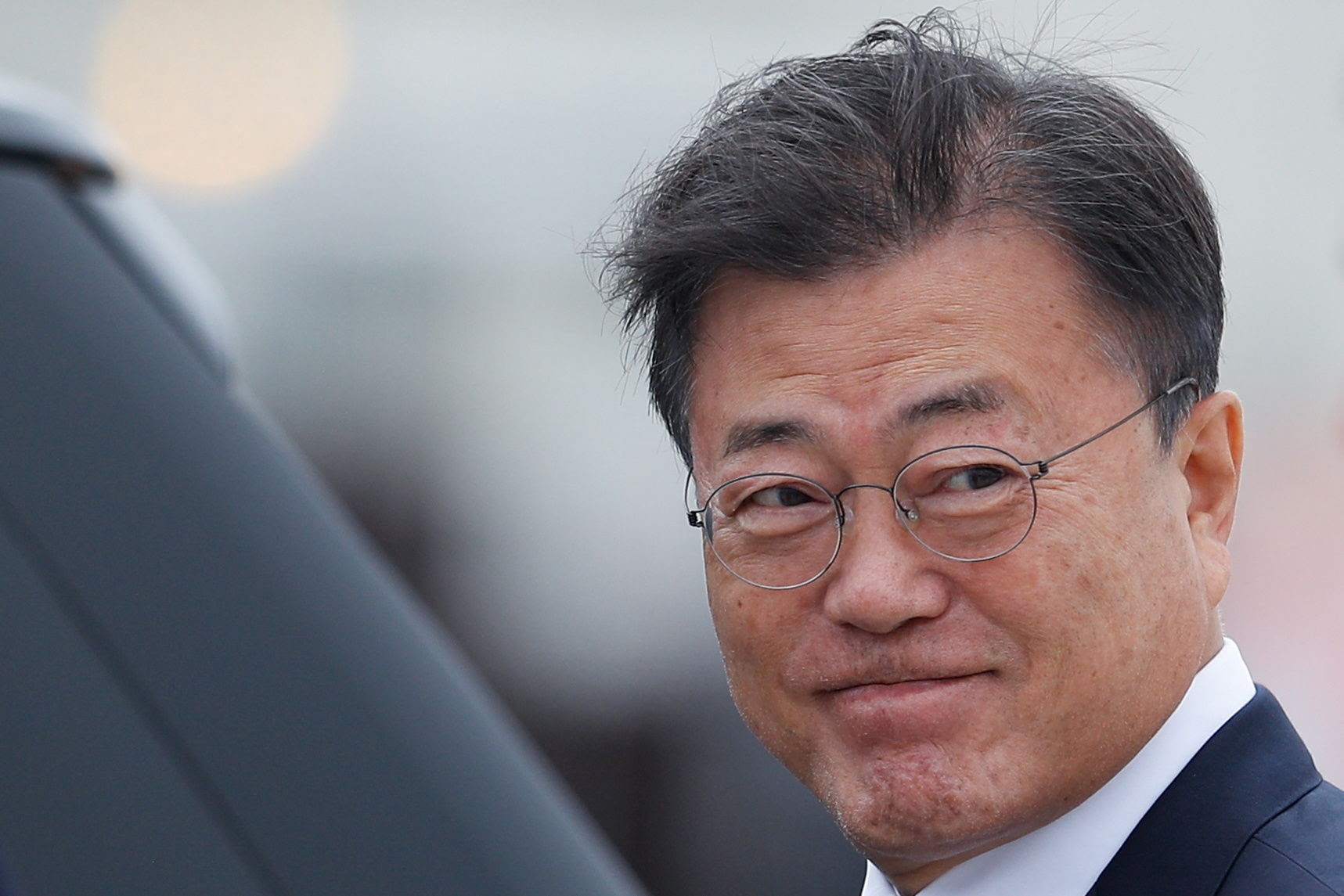
"It's President Trump who should receive the Nobel Prize. We only need to take peace." President of South Korea April 30, 2018 Source: NPR
 Brookings Institution
"President Donald Trump recklessly risked war over North Korea in 2017, but then appeared to make relatively good use of that scare by starting a negotiation process with Kim Jong-un the following two years."
 BBC News
"Most analysts clearly accept that the atmosphere has changed. Washington and Pyongyang have moved away from the rhetoric that appeared to be leading them inexorably towards war. For all intents and purposes Pyongyang's nuclear and missile testing seems to have been halted and joint US-South Korean exercises are suspended for the time being, again removing a source of tension that could spark renewed crisis."
 National Review
"I think it's more than fair to say that the combination of the president's unpredictability and indeed, his bellicosity had something to do with the North Koreans deciding to come to the table."
Final Analysis
Trump's North Korea strategy demonstrates how unconventional diplomatic approaches, when combined with strong pressure tactics, can achieve breakthroughs where traditional methods have failed.
Key elements that proved Trump right:
- Direct leader-to-leader diplomacy created unprecedented opportunities for dialogue
- Combination of maximum pressure and engagement led to concrete results
- Suspension of nuclear and missile tests during engagement period
- Return of U.S. hostages and soldiers' remains
While long-term denuclearization remains elusive, Trump's approach demonstrated that alternative diplomatic strategies could achieve concrete results where decades of conventional policy had failed.