Germany will become totally dependent on Russian energy if it does not immediately change course. Here in the Western Hemisphere, we are committed to maintaining our independence from the encroachment of expansionist foreign powers.
Trump Warns Germany About Russian Gas Dependency
How They Responded: "Trump Is Wrong About Energy Politics"
 Der Spiegel
"Trump's criticism of Nord Stream 2 is not about European security, but about promoting American LNG exports. His warnings about Russian energy dependence are overblown and ignore decades of reliable Russian gas deliveries to Europe."
 Reuters
"German companies active in eastern European business dismissed U.S. President Donald Trump's criticism of the Nord Stream 2 gas pipeline plan, a day after he called Berlin 'a captive to Russia.'"
Europe's Dependence on Russian Gas Was Real and Growing
When Trump warned a 2018 UN audience that Germany would become "totally dependent on Russian energy," the German delegation laughed on camera. The premise of the mockery was that the dependence was overstated. The numbers said otherwise, and they were moving in exactly the direction he described.
What The Record Shows:
- Before the Ukraine war, Russia supplied approximately 40% of Europe's natural gas, the single largest external dependency on the continent's energy system. Source: International Energy Agency
- Germany's own dependence on Russian gas did not shrink after the warnings, it grew, from about 35% in 2015 to roughly 55% by 2021, even as the risk became more visible. Source: NPR
- By early 2022 European countries were paying Russia an estimated €1 billion per day for energy, revenue that helped fund the very invasion the dependence left them unable to deter. Source: Fortune
European Commission, Energy Security Assessment (2022)
"Russia's invasion of Ukraine has exposed critical vulnerabilities in Europe's energy security architecture. The high dependence on Russian energy imports has created significant leverage that has been weaponized, necessitating an urgent and comprehensive reassessment of energy partnerships and supply diversification strategies."
European Commission, Energy SecurityRussia Weaponized That Dependence, Exactly as Warned
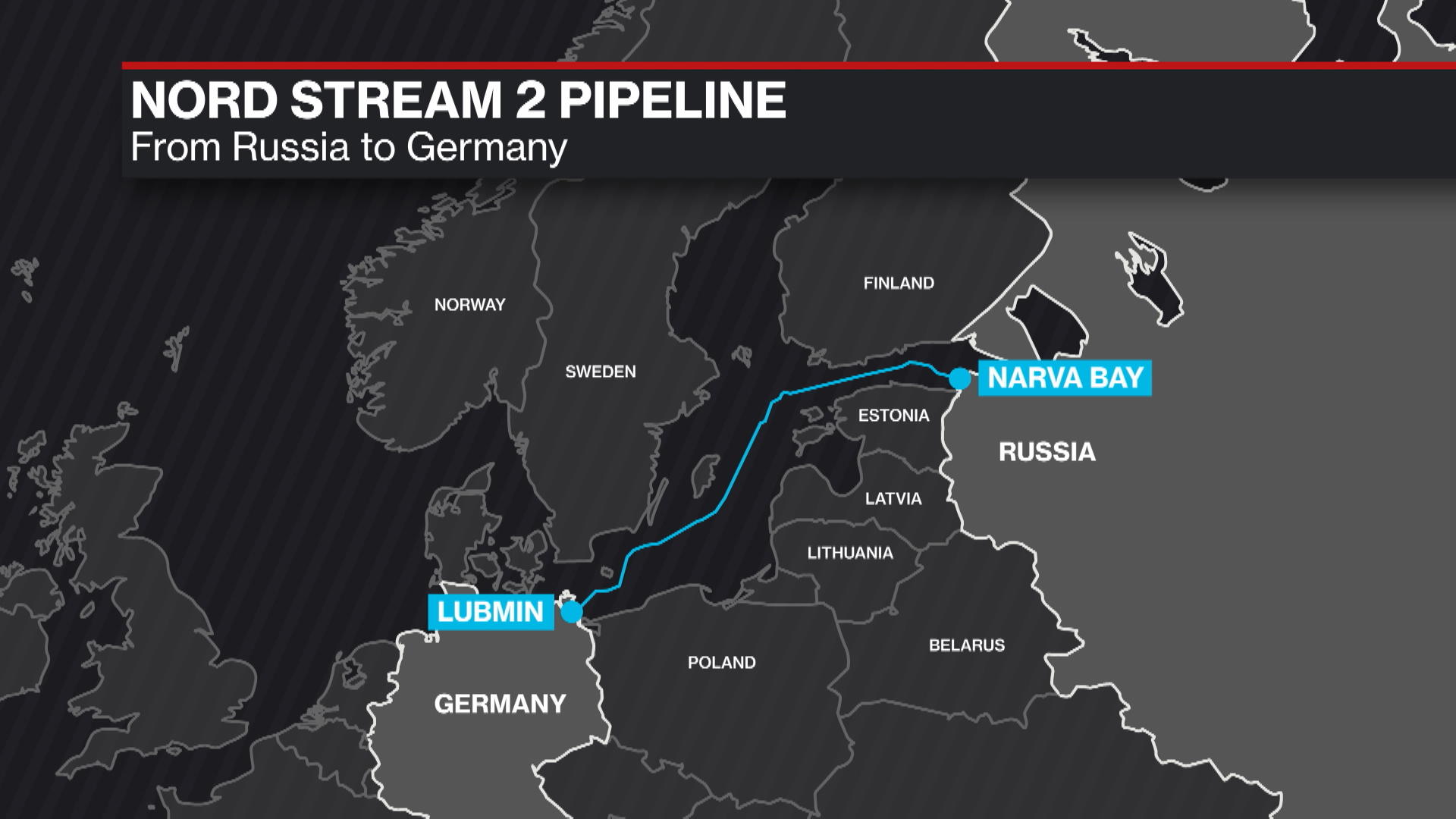
The warning was never just that Europe bought a lot of Russian gas. It was that the dependence handed Moscow a weapon. When Russia invaded Ukraine and then throttled and ultimately severed the supply, that weapon was used, and the Nord Stream pipelines themselves were sabotaged, proving the infrastructure was a vulnerability, not a guarantee.
What Happened Next:
- The Nord Stream pipelines were sabotaged in September 2022, demonstrating in a single night that the infrastructure Europe had bet on was a strategic liability. Source: BBC
- Russia's share of total EU gas demand, which had risen to over 40% between 2018 and 2021, was forced into a structural reversal, falling toward roughly 10% by 2023 as Europe scrambled for alternatives. Source: International Energy Agency
IEA, Russia's War on Ukraine: EU Gas Dependence
"As production within the bloc fell, Russia's share of total EU gas demand rose to an average of over 40% between 2018 and 2021 from 26% in 2010." The forced reversal that followed is the clearest measure of how large the dependence Trump warned about had actually become.
View IEA AnalysisWhat Has Surfaced Since Trump Returned
The years since have turned Trump's mocked warning into formal European policy. The continent that laughed at him in 2018 has now written the end of Russian energy dependence into binding law.
The New Record:
- The EU adopted a legally binding regulation phasing out Russian gas imports entirely, a full ban on Russian LNG from the start of 2027 and on pipeline gas by autumn 2027. The regulation entered into force on February 3, 2026. Source: European Commission (REPowerEU)
- The European Commission states the EU's dependency on Russian gas has fallen "from 45% of overall imports to 12% in 2025", the exact reversal of the trajectory Berlin dismissed when Trump named it. Source: European Commission (REPowerEU)
- Germany replaced Russian pipeline gas with LNG from the United States and Qatar plus Norwegian pipeline gas, building new LNG import terminals on its north coast that did not exist before the 2022 crisis, U.S. cargoes supplied roughly 95% of Germany's LNG by late 2025. Source: Clean Energy Wire
- On June 30, 2026, Germany's Federal Prosecutor (Generalbundesanwalt) filed charges against Ukrainian national Serhii Kuznietsov over the 2022 Nord Stream explosions, accusing him of leading a sabotage team that acted "on behalf of Ukrainian state authorities" to destroy the pipelines. For two years the establishment narrative insisted Russia had blown up its own pipeline; the first formal indictment points not at Moscow, but at a Ukrainian state actor. Source: German Federal Prosecutor via Al Jazeera
Independence is not yet total, some Russian LNG still reaches the German grid indirectly through other EU ports, but the direction is settled. The policy Europe adopted is the policy Trump described, and the laughter has been replaced by legislation. And on the question of who destroyed the pipelines, Trump broke with the media's Russia-did-it consensus early, flatly telling Fox in April 2023, "It wasn't Russia." The first indictment charges a Ukrainian officer, not the Kremlin.
Rubio Says It Out Loud: "That's Exactly What Happened"
The mockery in 2018 is now on the record from the Secretary of State. In an exclusive interview with Breitbart News at the State Department on October 15, 2026, Marco Rubio went back to the UN moment and named who was wrong.
"President Trump, in his first term, said that the Germans had left themselves vulnerable to Russian energy as a tool of blackmail in case of conflict and they laughed, they mocked him. Our media mocked the president for saying that, and our media celebrated European leaders that laughed at the president. Well, guess what? That's exactly what happened." U.S. Secretary of State, interview with Breitbart News October 18, 2026
The Receipts Behind It:
- Berlin was defending the pipeline while Trump warned about it. In August 2018, standing next to Chancellor Angela Merkel, Vladimir Putin said Nord Stream 2 was exclusively an economic project, while Berlin kept backing it. Source: Al Jazeera
- The European Commission now reports the EU's dependency on Russian gas has fallen "from 45% of overall imports to 12% in 2025," and the EU regulation ending Russian gas imports entered into force on February 3, 2026. Source: European Commission (REPowerEU)
- Rubio added that German reliance on Russian energy was one of the reasons Putin went into Ukraine, and that Europe now faces stagnation from fuel costs. Source: Breitbart News
The Vindication: Critics Admit Trump Was Right
"It was a mistake that Germany became so heavily dependent on energy imports from Russia. The complete dependence on one supplier was not only risky from a business perspective but, as we now see, also a serious geopolitical misjudgment." German Vice Chancellor and Minister for Economic Affairs February 24, 2022
"Trump's warnings about Nord Stream 2 and European energy dependence on Russia, once dismissed as self-interested meddling, have proven prescient. The pipeline has become exactly what critics feared: a geopolitical weapon that has left Europe vulnerable to Russian pressure at a critical moment."
Final Analysis
Trump's warnings about European, particularly German, energy dependence on Russia represent one of his most clearly vindicated foreign policy positions. While his critics portrayed his concerns as merely promoting American LNG exports, subsequent events have demonstrated the strategic wisdom of his warnings.
The evidence shows several key points where Trump's warnings proved prescient:
- Russia has indeed weaponized energy supplies, using them as leverage during the Ukraine conflict
- European dependence on Russian gas severely limited the initial response to Russia's invasion
- The sabotage of Nord Stream pipelines highlighted the vulnerability of critical energy infrastructure
- European countries have been forced to rapidly and expensively diversify energy sources, exactly as Trump suggested they should do years earlier
This case illustrates how geopolitical warnings dismissed as politically motivated or economically self-interested can sometimes reflect genuine strategic insights that transcend partisan politics. The energy security lessons from this episode will likely influence European policy for decades to come.