Many countries in NATO, which we are expected to defend, are not only short of their current commitment of 2% (which is low), but are also delinquent for many years in payments that have not been made. Will they reimburse the U.S.?
Watch Trump Address NATO Leaders

How They Responded: "Trump's Claims Were Misleading"
 FactCheck.org FactCheck.org
The Evidence: Trump Was Right
Despite the widespread criticism, Trump's position on NATO defense spending has been vindicated by subsequent events and acknowledgments from NATO officials themselves.
Key Facts About NATO Spending:
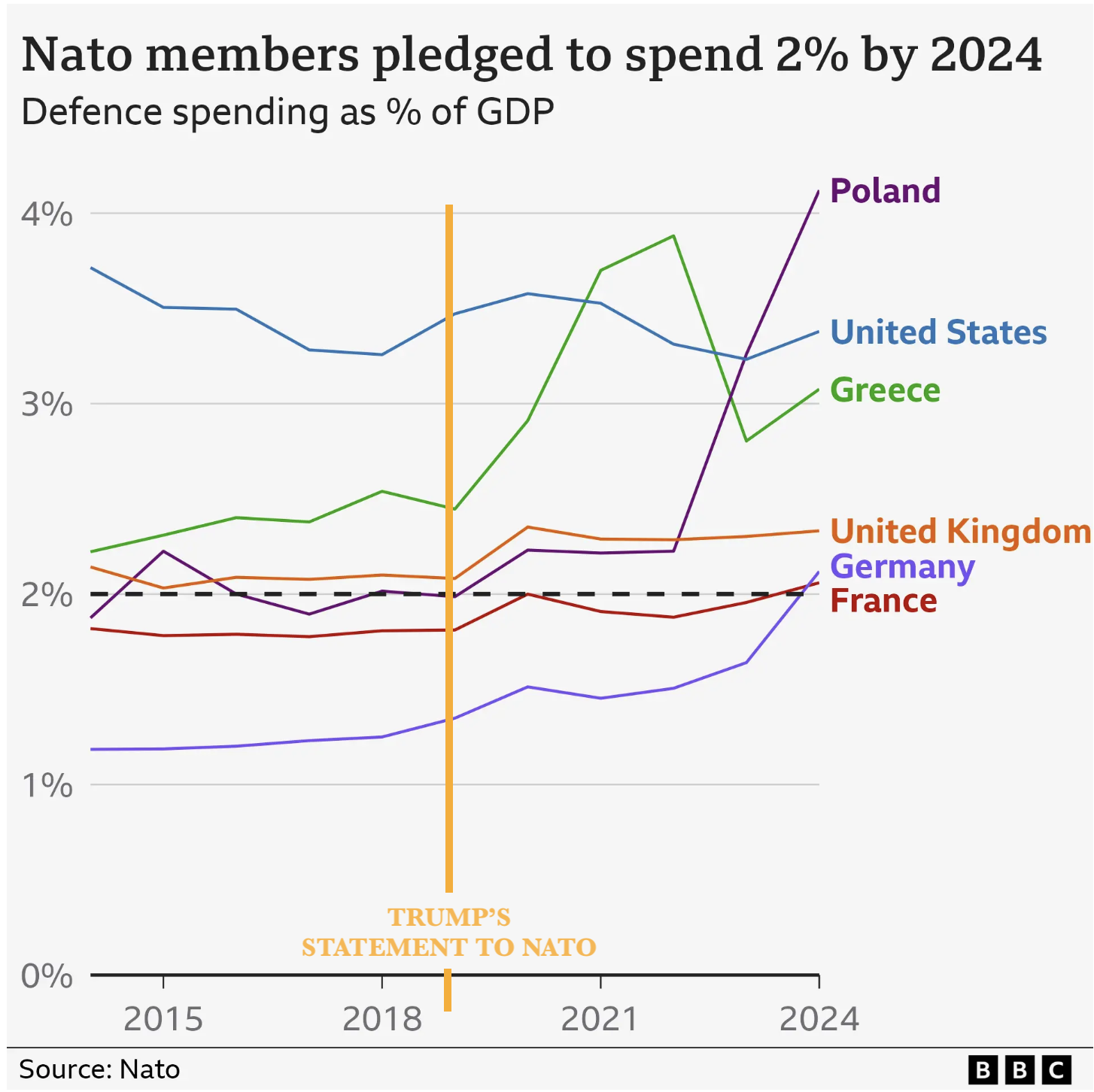
- In 2016, only 5 of 30 NATO members were meeting the 2% GDP defense spending target Source: BBC News
- By 2024, 24 out of 32 NATO members are meeting the 2% threshold, showing significant improvement Source: POLITICO Europe
- European allies and Canada have added $350 billion in new defense spending since 2016 Source: NATO Official Report
- Poland leads NATO members with 4.12% of GDP spent on defense, with plans to increase to 4.7% Source: Foreign Policy
Official Confirmation:
NATO Secretary General's Annual Report: 2022
"2022 was the eighth consecutive year of increased defense spending across European Allies and Canada, with a 2.2% increase in real terms in 2022... The trend is positive and unprecedented, but European Allies and Canada must continue their efforts.", NATO's own confirmation of the sustained spending reversal that began under pressure from Trump.
View Source, NATONATO Defence Expenditure Data: Burden-Sharing, 2014 vs. 2025
NATO's official figures record that only three Allies met the 2%-of-GDP defense-spending guideline in 2014, the year Trump began publicly demanding allies pay their share. By 2025, all 32 Allies met or exceeded the 2% target. The benchmark critics said Trump would never move went from near-universal non-compliance to universal compliance.
View Source, NATO Defence ExpenditureWhat Has Surfaced Since Trump Returned
The burden-sharing fight Trump was mocked for in his first term ended in 2025 with the alliance not just meeting his old demand but more than doubling it.
The Hague Summit Declaration: A 5% Defense Spending Pledge
At the NATO summit in The Hague on June 25, 2025, allied leaders formally committed to invest 5% of GDP annually on defense and security by 2035, at least 3.5% on core defense requirements plus up to 1.5% on related security spending. It is a doubling of the 2% target that critics once said Trump was reckless to demand, written into the alliance's own official declaration.
View Source, NATO Official TextNATO: The 5% Commitment, Explained
NATO's own explanation of the new commitment confirms the structure and the 2035 timeline, with allies required to submit annual plans showing a credible path to the target and a review of the trajectory in 2029. The alliance Trump was accused of weakening is now organized around the exact principle he insisted on: members paying their fair share.
View Source, NATO2026: When It Mattered, the Allies Said No, and Trump Began Weighing the Exit
The deeper point Trump made for a decade, that the alliance is a one-way street, was tested in 2026. During the U.S. confrontation with Iran, NATO members including Spain refused American forces the use of the Rota naval base, the Moron air base, and their airspace. In response, Trump called NATO a "paper tiger" and said he was "strongly contemplating withdrawing the U.S. from NATO," while Secretary of State Marco Rubio said there was "no doubt" the United States would have to "reexamine" the relationship, citing the fact that "we're not going to be allowed to use those bases" when needed. The Trump administration began weighing whether to pull U.S. troops out of Spain and other countries as a consequence. Whatever one thinks of the threat, the episode confirmed the core of Trump's long-standing argument: when the United States needed the alliance to deliver, several of its members declined.
View Source, Al JazeeraThe Vindication: Critics Admit Trump Was Right
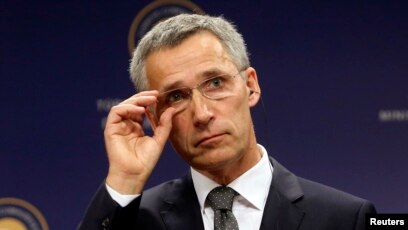
"President Trump has been very clear. He is committed to NATO... but at the same time he has clearly stated that NATO allies need to invest more. And now we see the results. NATO allies have heard his message clear and loud. NATO allies are stepping up."
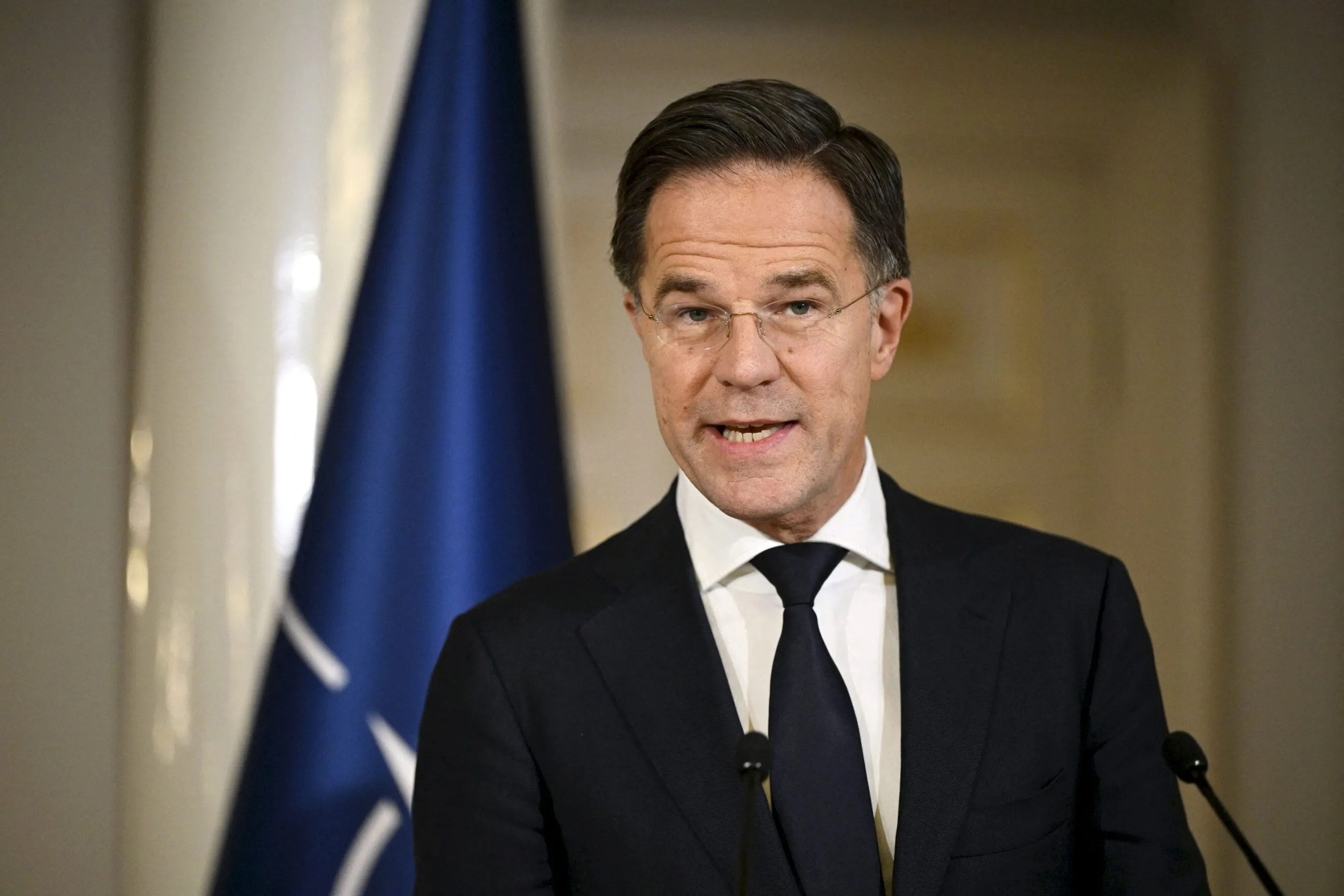
"Trump was right that basically the U.S. was getting a bad deal and that Europe was funding its social model, its health care system, its pension system while we're underfunding defense. The problem is that we are not yet all at that 2%. If we look at what happened in the last couple of weeks, it's really staggering. The European countries are spending a package of 800 billion euros on defense spending."
Final Analysis
The NATO spending case demonstrates a recurring pattern in Trump's presidency: identifying a legitimate issue, using unconventional and often controversial methods to address it, facing intense criticism, and ultimately being vindicated by events and data.
While his communication style generated significant controversy, the results speak for themselves:
- NATO allies significantly increased their defense spending following Trump's pressure
- The NATO Secretary General repeatedly acknowledged the effectiveness of Trump's approach
- Russia's invasion of Ukraine in 2022 underscored the importance of NATO military readiness
- Many former critics have grudgingly acknowledged Trump was right about the fundamental issue
This case illustrates that evaluating political figures based on policy outcomes rather than communication style or conventional expectations can yield different conclusions about effectiveness and foresight.