They don't want to investigate voter fraud. They never do anything about it.
How They Responded: "There Was Nothing To Investigate"
The FBI's Own File: A Four-Year Slow-Walk, Date By Date
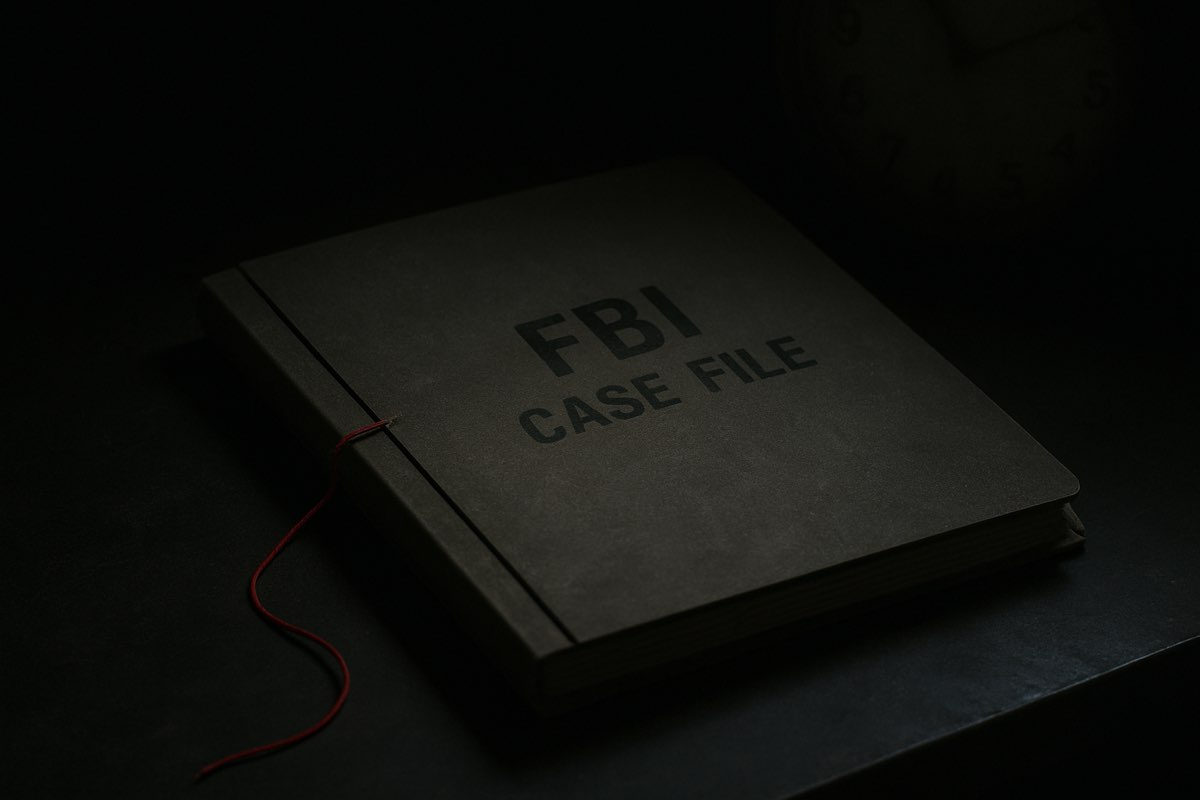
The "no prosecutions, so no fraud" argument collapses when you read why there were no prosecutions. The FBI case file (56D-DE-3407960) documents a Michigan registration-fraud referral that agents believed showed crimes, and a Justice Department that repeatedly refused to authorize the voter-fraud investigation for years. The absence of a case was a decision, not a finding.
The Documented Timeline:
- October 27, 2020: Michigan State Police briefed the FBI on a get-out-the-vote operation in Muskegon after canvassers admitted signing registrations in other people's names and fabricating registrations for people who did not exist. Source: FBI Case File (whitehouse.gov)
- March 11, 2021: The Justice Department authorized only a narrow prepaid-card angle and did not authorize a voter-fraud investigation. Requests to open the fraud probe were refused repeatedly through 2022. Source: FBI Case File (whitehouse.gov)
- February 2, 2023: A full field investigation was finally authorized, more than two years after the referral. The FBI Laboratory later analyzed the handwriting on the registrations and confirmed fabricated signatures. On July 17, 2024 the case was closed with "no prosecution," and by October 8, 2024 the U.S. Attorney's Office was reconsidering. Source: FBI Case File (whitehouse.gov)
What Has Surfaced Since Trump Returned
The internal FBI file that documents this timeline was not public while the "no evidence" narrative was being enforced. Since Trump's return, the underlying case records were declassified and released. Below are the two pillars of the record, drawn directly from the declassified drop.
PILLAR 1 — Agents Believed Crimes Were Committed
The Michigan file documents witness interviews in which canvassers described being paid or given gift cards per application, signing registrations in others' names, and fabricating registrations for nonexistent people. FBI agents believed crimes had been committed, and the FBI Laboratory's handwriting analysis confirmed fabricated signatures. This was not a rumor. It was a working criminal investigation.
View Source, The White HousePILLAR 2 — The Justice Department Refused To Let It Proceed
The record shows the Justice Department declined to authorize the voter-fraud investigation from 2021 into 2022, authorizing only a narrow financial angle, before finally opening the full field investigation in February 2023. The delay is documented in the case's own dated authorizations, which is why "there were no prosecutions" is a statement about political will, not about the strength of the evidence.
View Source, The White HouseRead The Primary Sources Yourself
We do not ask anyone to take our word for it. The FBI case records are published by the White House. Download the archive and read the dated authorizations and witness interviews yourself.
- Michigan Voter Registration Investigation, complete declassified archive (FBI memos, witness interviews, and the case timeline). Download: whitehouse.gov/election-integrity
Final Analysis
Trump said the Justice Department would not seriously investigate voter fraud, and the standard rebuttal was that the lack of prosecutions proved there was nothing to prosecute. The FBI's own Michigan file turns that argument inside out. Agents had witnesses admitting to fabricating registrations, the Lab confirmed forged signatures, and the Justice Department still refused to authorize the voter-fraud investigation for more than two years.
This is not a claim that the outcome of any election was changed. It is a documented case of a real registration-fraud investigation being slow-walked, which is precisely the institutional behavior Trump described and was mocked for describing.
- Canvassers admitted fabricating registrations and signing others' names
- The FBI Laboratory confirmed the signatures were forged
- The DOJ refused to authorize the voter-fraud probe from 2021 into 2022
- A full investigation was not opened until February 2023, over two years late
- "No prosecutions" reflected a decision to delay, not an absence of evidence
The paper trail is the story, and it is written in the government's own dates. On whether the system would actually pursue voter fraud, Trump was right.